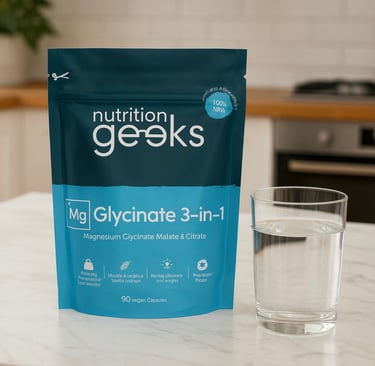
Unlocking the Health Benefits of Magnesium Glycinate
Could a simple mineral be the key to better sleep, less stress, and more energy? Magnesium glycinate is one of the most powerful yet overlooked supplements for nervous system health, muscle recovery, and overall wellness—and its benefits might surprise you. Discover why this form of magnesium could be the missing piece in your daily routine.
RECOVERY SUPPLEMENTS
Daniela Ginta
11/10/20255 min read
What is Magnesium Glycinate?
Magnesium glycinate is formed by combining elemental magnesium with the amino acid glycine. This form of magnesium is highly bioavailable, meaning the magnesium is easily absorbed through your small intestine.
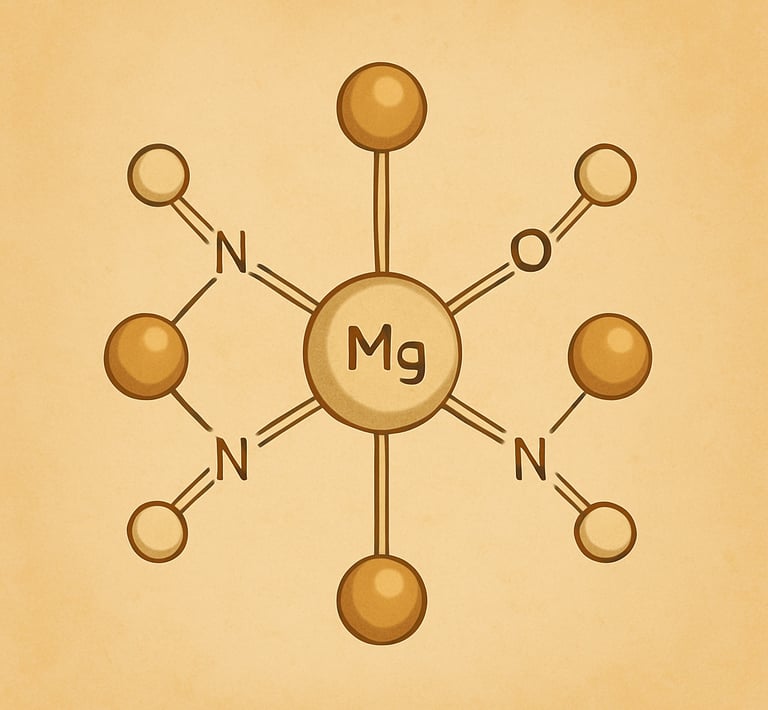
Why Magnesium Glycinate Stands Out
Not all magnesium supplements are created equal—and magnesium glycinate is the one that truly stands out. Thanks to its high bioavailability, your body absorbs it more efficiently than most other forms. It’s paired with glycine, a calming amino acid that promotes relaxation, better sleep, and reduced stress, making it ideal for busy minds and restless nights. But the benefits don’t stop there—magnesium glycinate also supports muscle recovery and reduced soreness, making it especially valuable for athletes, gym-goers, or anyone dealing with tension and fatigue. And unlike other magnesium types that can upset your stomach, this form is gentle and easy to tolerate. If you’re looking for a supplement that delivers noticeable results across sleep, stress, and physical performance, magnesium glycinate is a powerful wellness ally.
The Top Benefits
Magnesium glycinate has been shown to have a variety of benefits, including helping to:
🌙 Improves Sleep Quality
Magnesium glycinate helps activate GABA receptors in the brain—neurotransmitters responsible for calming the nervous system and promoting deeper sleep. Studies show it may reduce nighttime awakenings and improve overall sleep efficiency.
😌 Supports Stress & Anxiety Relief
By regulating cortisol (the stress hormone) and relaxing the nervous system, magnesium glycinate can ease symptoms of anxiety, mood swings, and mental fatigue. It’s often used as a natural support for emotional balance.
💪 Enhances Muscle Recovery & Reduces Cramps
Magnesium plays a key role in muscle relaxation and contraction, helping prevent cramps, spasms, and soreness after exercise. Research suggests it may improve muscle recovery and reduce post-workout fatigue.
🧠 Boosts Brain Function & Cognitive Health
This mineral supports healthy brain activity and may improve memory, learning, and mental clarity. Some studies link magnesium deficiency to increased risk of cognitive decline over time.
⚖️ Balances Blood Sugar Levels
Magnesium helps regulate insulin sensitivity and glucose metabolism, making it beneficial for those with metabolic issues, insulin resistance, or type 2 diabetes. Higher levels are often associated with healthier blood sugar control.
❤️ Promotes Heart Health
Adequate magnesium intake is tied to better cardiovascular health, reduced blood pressure, and a lower risk of arrhythmias. It helps maintain a steady heartbeat and supports overall heart function.
🦴 Supports Bone Strength
Magnesium glycinate works alongside calcium and vitamin D to build and maintain strong bones. Studies show that low magnesium levels may contribute to weaker bones and a higher risk of osteoporosis.
🔋 Boosts Natural Energy Levels
Magnesium is involved in producing ATP—the molecule responsible for cellular energy. When levels are low, fatigue and low energy become more likely, making magnesium essential for staying energized throughout the day.




Who would benefit the most from taking Magnesium Glycinate
Magnesium glycinate can be especially helpful for people living fast-paced or stressful lives. Those who struggle with poor sleep, anxiety, or low energy often notice a difference quickly after supplementing.
Athletes and active individuals also benefit from its muscle-relaxing properties.
Older adults or those with digestive issues may have trouble absorbing magnesium from food alone—making this form ideal due to its high bioavailability.
Even people dealing with PMS, hormonal changes, or blood sugar imbalances may find that magnesium glycinate provides steady and gentle support across many areas of their health.
Signs you may be Magnesium Deficient


You might be low in magnesium if you often experience
☐ Muscle twitches or cramps
☐ Frequent headaches or migraines
☐ Trouble sleeping or restless nights
☐ Low energy or chronic fatigue
☐ Anxiety, stress, or mood swings
☐ Irregular heartbeat or palpitations
☐ High blood pressure
☐ Sugar or caffeine cravings
☐ Difficulty focusing or “brain fog”
☐ Feeling tired even after sleep
If several of these sound familiar, your body may be signalling a magnesium deficiency—something that’s more common than most people realise.


Best time and Dosage for Optimum Results
Finding the right time and dosage of magnesium glycinate can make a big difference in how well it works. Most people do best with 200–400 mg per day, but it’s always smart to start on the lower end and increase gradually based on how your body responds. Since magnesium supports relaxation, many people prefer taking it in the evening or before bed to promote deeper sleep and calm the nervous system.
However, if your main goal is muscle recovery or energy support, you might find it beneficial to divide the dose—half in the morning and half in the evening. Always take it with food to support absorption and reduce any chance of digestive discomfort.
Consistency is key—taking magnesium glycinate daily for at least a few weeks often leads to the best results.
Side Effects and Safety Considerations
Magnesium glycinate is known for being one of the gentlest and best-tolerated forms of magnesium, which is why it’s often recommended for daily use. However, like any supplement, it’s still important to use it safely and be aware of potential side effects. In most cases, side effects are mild and may include drowsiness, slight digestive discomfort, or loose stools—especially if the dosage is too high.
People with kidney issues, those on certain medications (like blood pressure or heart medications), or pregnant/breastfeeding individuals should consult a healthcare professional before supplementing. While magnesium glycinate rarely causes digestive upset compared to other forms, it’s still best to start with a low dose and increase gradually if needed. Taking it in the evening may promote better sleep and reduce any daytime drowsiness.




The Bottom Line
Magnesium Glycinate is more than just a supplement—it’s a powerful tool for supporting sleep, reducing stress, easing muscle tension, and improving overall wellness. Thanks to its high absorption and gentle effect on the body, it stands out as one of the most effective and well-tolerated forms of magnesium available. Whether you’re managing anxiety, recovering from workouts, or simply trying to boost your energy and mood, magnesium glycinate may be the missing link in your daily routine. With consistent use and the right dosage, it can help restore balance and support both your body and mind—naturally.
Discover the Benefits for yourself
If you’re ready to experience the difference magnesium glycinate can make, now is the perfect time to try it for yourself. Many people report noticeable improvements in sleep, mood, and energy within just a few weeks—and with consistent use, the benefits can truly add up.