Recover Strong: Resistance Bands Guide to Recovery & Mobility Training
Recovery doesn’t have to be complicated—sometimes all it takes is a simple resistance band. Here we’ll dive into how these lightweight tools can help relieve pain, improve mobility, and safely rebuild strength right at home. You’ll discover the best types of bands to use, key exercises for recovery, and tips to make your healing journey more effective and empowering. Whether you’re bouncing back from an injury or just trying to move better every day, this guide will help you recover with confidence.
MUSCLE RECOVERY
Mark Davies
11/13/20255 min read
What Makes Resistance Bands So Powerful?
Resistance bands may look simple, but their impact on recovery and mobility is huge. Unlike heavy gym equipment, they allow you to rebuild strength gradually and safely—perfect for sore joints, tight muscles, or post-injury rehab. Because they provide constant tension throughout each movement, they activate stabilizer muscles that often get neglected, helping your body move more efficiently. Plus, they’re lightweight, affordable, and easy to use anywhere—from your living room to the physical therapy clinic. When used correctly, these bands can turn recovery into a more controlled, comfortable, and effective process.
Therapy Bands
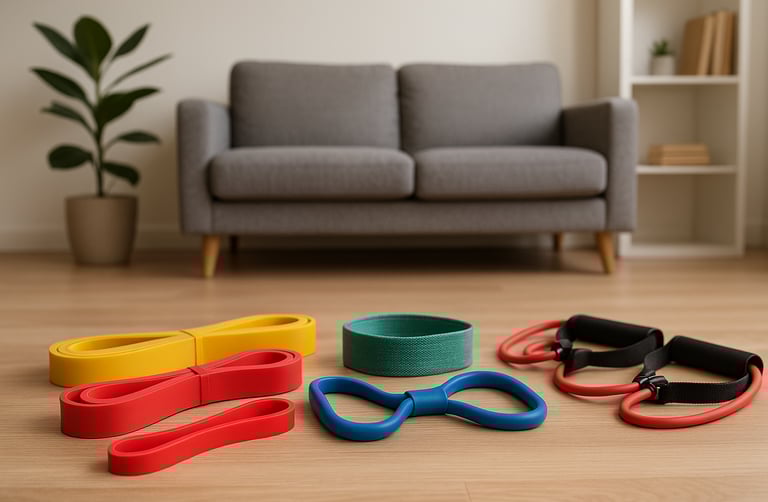
Not all resistance bands are the same, and choosing the right one can make your recovery smoother and more effective. Each type offers its own benefits depending on your mobility, strength level, and rehab goals.
Different Types of Resistance Bands
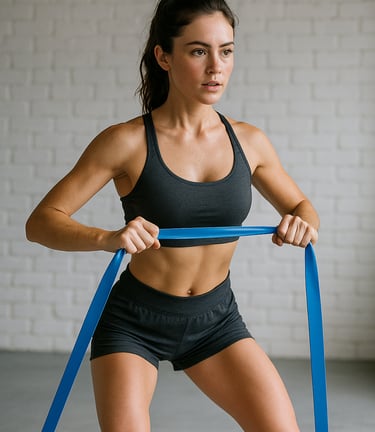
Therapy bands are ideal for beginners, injury rehabilitation, or anyone looking to gently reintroduce movement into their routine. These flat, lightweight bands provide low resistance, which makes them perfect for improving mobility, restoring muscle function, and increasing range of motion without putting stress on the joints.
Best for: Post-injury rehab, light mobility work
Features: Flat, stretchy, no handles
Why use them: Ideal for beginners or clinical recovery settings because they provide gentle resistance and allow slow, controlled movements.
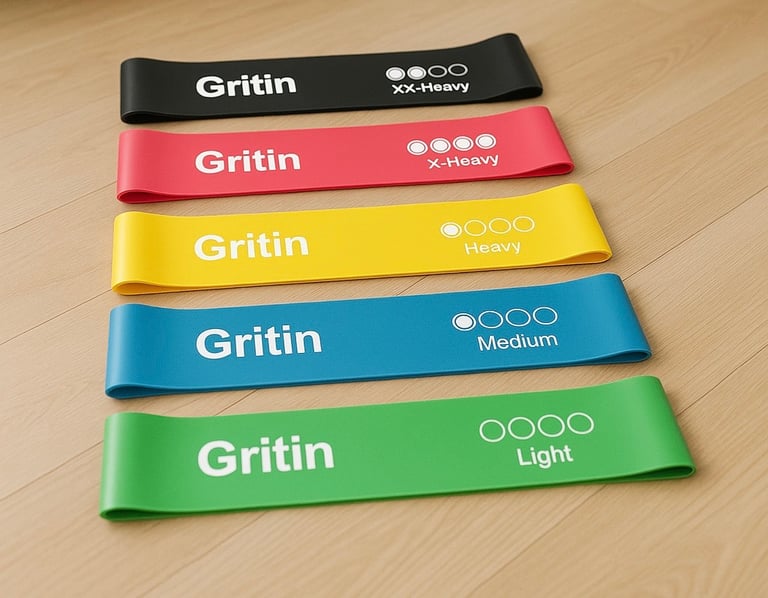
Loop Bands (Mini Bands)
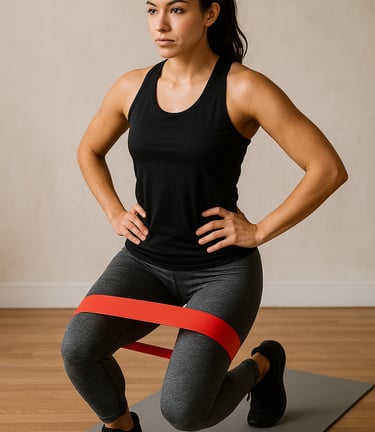
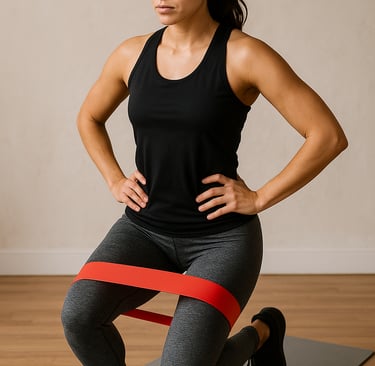
Loop bands may be small, but they pack a serious punch when it comes to activating key muscle groups—especially in the lower body. Worn around the thighs, calves, or ankles, these bands are excellent for improving stability, strengthening the hips and glutes, and correcting movement patterns.
Best for: Lower body activation (hips, glutes, thighs)
Features: Small closed-loop design
Why use them: Great for improving stability, posture, and movement mechanics—especially useful in knee and hip rehab.
Tube Bands with Handles
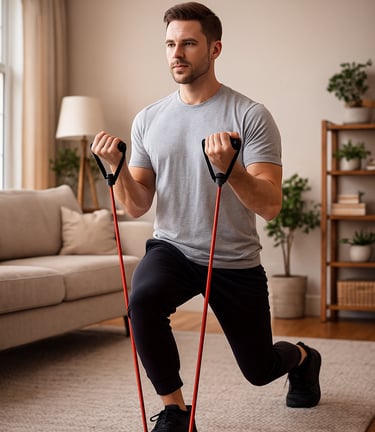
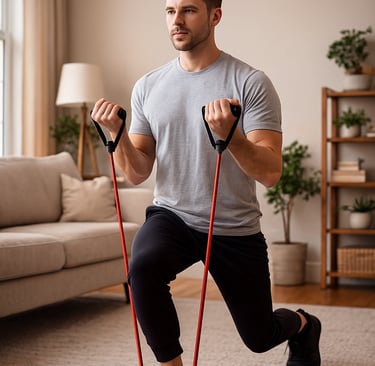
Tube bands with handles offer a gym-style workout without the need for heavy equipment. Their design allows for controlled, full-range movements, making them ideal for building strength, improving endurance, and supporting recovery across both the upper and lower body. The handles provide a secure grip, helping you mimic cable machine exercises safely at home.
Best for: Strength training and building endurance
Features: Cylindrical bands with attached handles
Why use them: They mimic cable machines and can be used for upper or lower body exercises, making them versatile for all fitness levels.
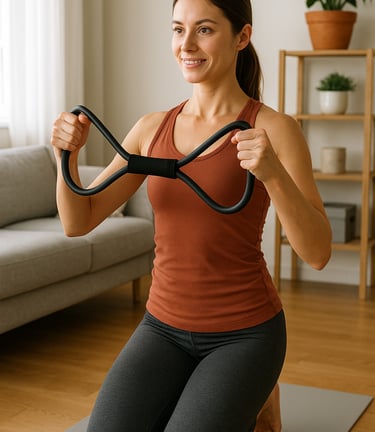
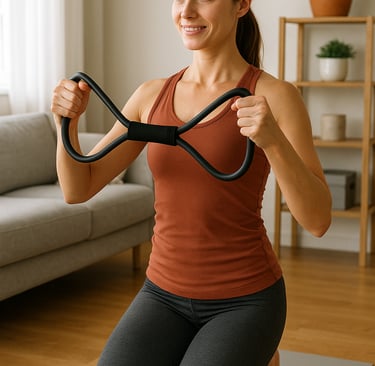
Figure-8 bands are designed for focused, controlled movement—especially in smaller muscle groups that often get neglected. Their unique shape helps isolate areas like the shoulders, arms, and upper back, making them excellent for rotator cuff rehab and postural strengthening. Because they limit the range of motion, they provide stability and support during recovery while still allowing for progressive resistance.
Best for: Targeted muscle rehab
Features: Shaped like the number 8 with handles or cushioning in the middle
Why use them: Perfect for specific areas like shoulders or rotator cuffs, especially when precision is needed during recovery.
Figure-8 Bands
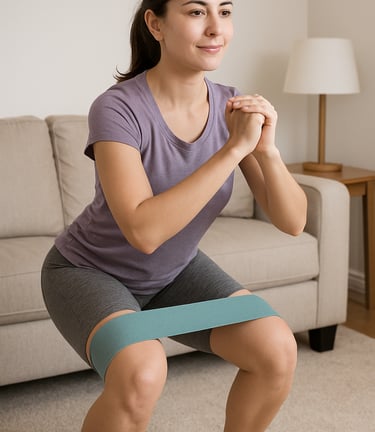
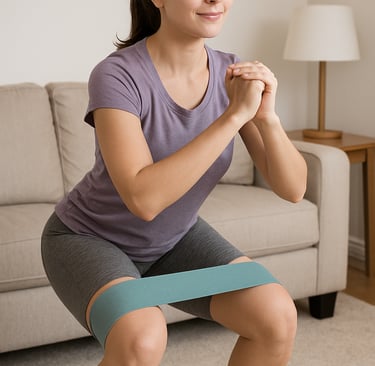
Fabric Bands
Fabric bands offer a more comfortable and durable option compared to traditional rubber bands. Their non-slip design keeps them in place during movement, making them ideal for controlled squats, glute activation, and lower-body rehab work. Because they provide higher resistance and greater stability, they’re perfect for anyone wanting to build strength safely while maintaining proper form.
Best for: Added comfort and durability
Features: Soft material, non-slip design
Why use them: They don’t roll or snap easily—great for rehab or activation exercises where stability is key.
Who could benefit from using Resistance Bands?
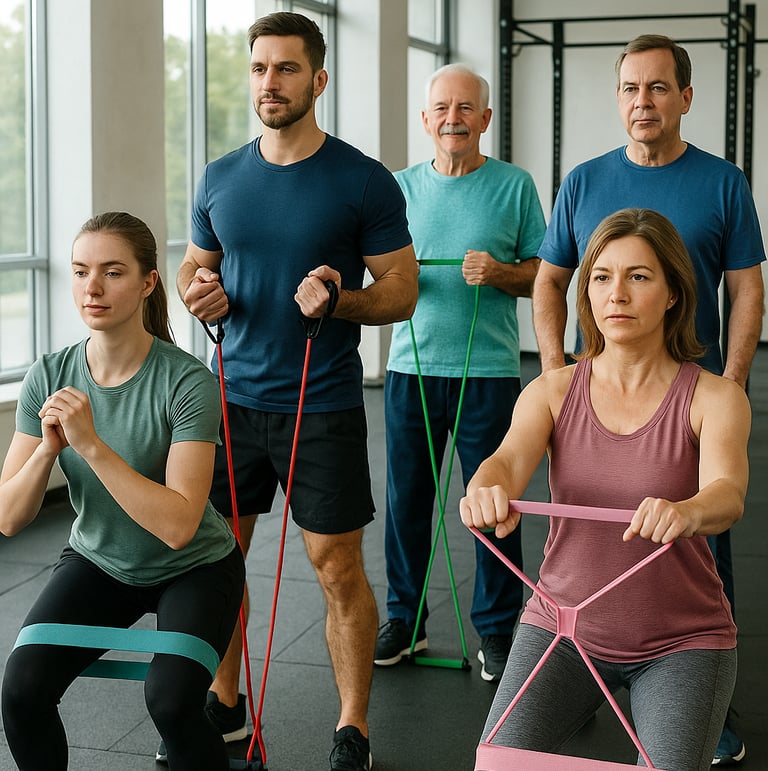
One of the greatest strengths of resistance bands is that they suit almost anyone. Whether you’re coming back from an injury or simply looking to move better, these bands adapt to your needs and ability level. They’re not just for athletes — they’re for everyday recovery, functional movement, and long-term joint health.
Beginners – Ideal for learning safe movement patterns and building strength gradually.
Injury Rehabilitation Patients – Provide controlled resistance for safe recovery without overloading joints.
Athletes – Useful for activation work, correcting imbalances, and enhancing mobility.
Office Workers – Help counteract poor posture, stiffness, and tight hip flexors.
Older Adults – Gentle on the joints while improving balance, mobility, and muscle function.
Gym-Goers – Great for warm-ups, active recovery days, and improving stability in lifts.
Travellers / Home Exercisers – Portable and effective when space or equipment is limited.
How to choose the right Resistance Level
Choosing the correct resistance level is key to recovering safely and making consistent progress. Bands usually come in different colours or thicknesses, with each one indicating a different level of resistance. The goal isn’t to use the strongest band possible — it’s to use the right band for your current strength and mobility.
Light - Best used for Rehab & mobility, and pronominally used for Joint recovery, warm-ups, gentle stretches.
Medium - Best used for Strength building and pronominally used for Glute activation, core stability, posture
Heavy - Best used forAdvanced training and pronominally used for Power development, athletic performance.
If you want to know which resistance level you need, ask yourself these questions:
Can I control the movement without shaking or rushing?
Do I feel activation — not pain — in the right muscles?
Am I able to complete full range of motion?
Does the resistance challenge me without compromising form?
If you said no to any of these, you may be using a band that’s too strong. Recovery works best when resistance is progressive — not forced.


The Bottom Line
Recovery doesn’t have to be complicated — and resistance bands prove it. With just one simple tool, you can improve mobility, rebuild strength, correct imbalances, and support your body through every stage of healing. Whether you’re returning from an injury or just trying to move better in daily life, resistance bands offer a safe, adaptable, and affordable way to keep your body functioning at its best.
They don’t replace good form, patience, or consistency — but they enhance all three. The beauty of resistance bands is that they grow with you. Start light, move with intention, and let your recovery unfold naturally.
Discover the Benefits for yourself
Reading about recovery is one thing — feeling it is another. Resistance bands give you the power to take control of your strength, mobility, and wellbeing from home, without expensive equipment or complicated routines. With just a few simple movements, you’ll begin to notice better posture, improved flexibility, and stronger muscle activation in the areas that matter most.